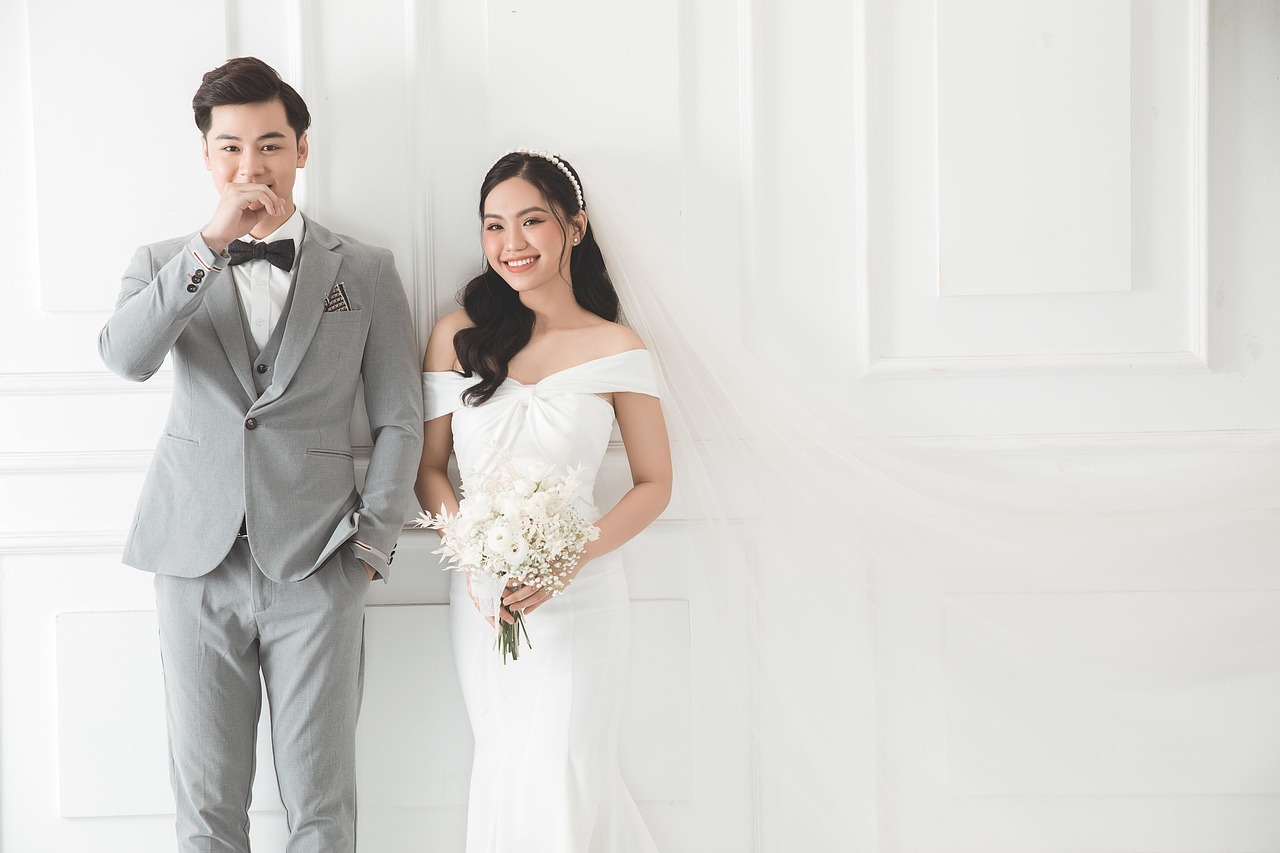
Doing event photography can be extremely challenging and exhilarating. From weddings to corporate parties, photographers are assigned to capture moments that are candid, vibrant, and memorable. For beginners, knowing the basics of shooting in dynamic environments is the key to making professional-quality images without ever feeling overwhelmed. Here are some of the basics and essential tips to help you get started.
Understand Your Event Beforehand
Being prepped is important; knowing the flow lets you anticipate important shots rather than reacting at the very last minute. For example, at weddings, moments such as the first kiss or cake cutting are predictable, but guests’ interaction and candid laughter need attentive observation. Before any event, take the time to learn about:
- The schedule of key moments
- Lighting conditions (indoor vs. outdoor, natural vs. artificial)
- Event type and theme
Choose the Right Equipment
By maintaining your equipment at a reasonable level, you are able to have free movement and pick up on the moments that happen by chance without your action being interrupted. Those who are new to photography tend to complicate their equipment unnecessarily. The main objective is to find a good supply that is both portable and versatile:
- Camera: A DSLR or mirrorless camera with good low-light performance
- Lenses: A fast prime lens (50mm f/1.8) for portraits, and a versatile zoom (24-70mm) for general coverage
- Flash: An external flash or speedlight can be a lifesaver for dimly lit venues
Master Your Camera Settings
Work on your manual or semi-manual mode shooting skills so that you can change your approach to the event fast when the situation is not clear. Familiarity with your camera is way more valuable than having costly equipment. Some of the main parameters that you should concentrate on are:
- ISO: Change it depending on the light, use a higher one for dark rooms and a lower one for daylight
- Aperture: Select wide apertures (f/1.8–f/4) when you want to produce a portrait with a shallow depth of field
- Shutter Speed: Make it quick enough to prevent blur of the movement, in the case of dancing or moving subjects, for instance
Capture Candid Moments
Some of the most memorable shots come randomly. As a beginner, it can be tempting to stage nearly every shot, but learning to observe quietly is important.
Tips for candid photography:
- Position yourself where action naturally happens, like near the dance floor or buffet
- Keep your camera ready at eye level.
- Use continuous shooting mode to catch fleeting expressions
Use Composition to Your Advantage
A thoughtful composition elevates even simple shots into professional-looking images.
Even in fast-paced settings, composition matters. Remember these principles:
- Rule of Thirds: Place subjects off-center for dynamic framing
- Leading Lines: Use walls, tables, or decorations to guide the viewer’s eye
- Framing: Natural frames like arches or doorways add depth
Don’t Forget Lighting
Lighting can either make or break the event photograph. For beginners who’re just starting, make sure to:
- Use natural light whenever possible
- Avoid harsh on-camera flash; bounce or diffuse if needed.
- Observe how shadows fall on your subjects and adjust accordingly
Final Thoughts
While capturing images at events is essentially a learning journey. One can certainly produce such pictures by knowing the event, employing appropriate equipment, perfecting camera settings, shooting unposed moments, and concentrating not only on composition but also on the light. With the involvement of practice and the main point of the work, you will be able to go beyond the mere capture of moments and reach the level of memory creation, which is a must for clients.