Carrying photography equipment looks elegant and simple on the surface. Pack up a few lights, wrap up a couple of stands, tripods, and tuck the camera bodies into a padded case, and you’re good to go! But do you know how it feels to relocate an entire studio or transport gear for an out-of-city shoot? Well, here’s a simple truth: photography gear is sensitive, oddly shaped, and usually heavier than it appears. A single mistake can mean cracked lenses, damaged strobes, or a scuffed-up softbox that suddenly doesn’t sit right.
Interestingly, some of the best lessons on carrying delicate gear do come from professionals who specialise in moving bulky, sensitive products each and every day. That’s where teams like Piano Movers Las Vegas, NV take the lead, experts who know the value of precision, protection, and careful handling on a level that photographers can learn from. Below is a photographer-focused guide on how to relocate equipment with the same care used to move a grand piano.
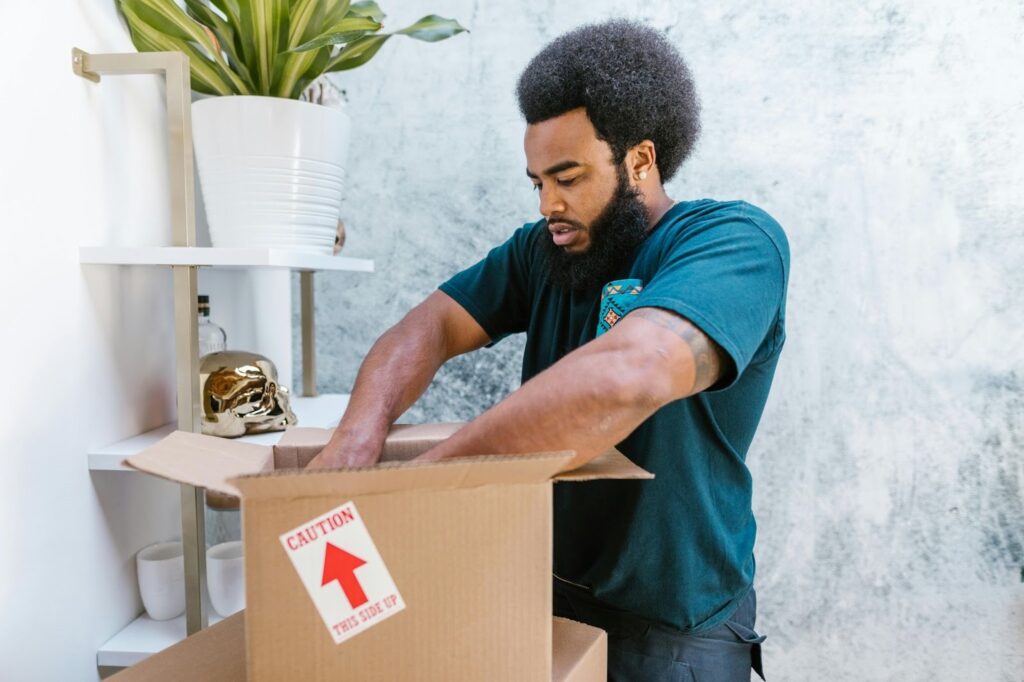
Treat Every Piece of Gear as a Delicate Instrument
Regardless of whether you’re moving a DSLR body or a complete lighting rig, treat everything as if it can’t take a single bump. This mindset completely changes how you pack and handle your gear.
Why this matters for photographers:
Light stands can bend during transport, as can every other piece of camera equipment. Micro mechanics are used in cameras, floating elements inside of lenses, and densely packed electronic circuits in strobes or other types of flash.
Practical tip:
When you pack your items, you should use padded foams/soft cushions for ALL items, including the FLOOR stands and the GRIPs of the Equipment. Although you can use Bubble Wrap for packing, the better option will be to use an ETHER pad, as this will provide your larger Equipment with much better shock absorption than using Bubble Wrap.
Use the “Layered Protection” Method
Professional movers never rely on a single layer of protection. They wrap, cushion, secure, and then place the object in a structured container. Follow the same instructions:
Outer Protection
Use hard cases for cameras, lenses, and monitors.
Use rolling cases for lighting equipment to keep it upright and stable.
Inner Protection
Add in foam or have a customisable divider so items don’t slide around.
Stabilization
Place heavier gear at the base and lighter pieces on top.
Know the Weight Distribution of Your Gear
Usually, photographers undervalue the overall weight of their equipment. A full lighting setup, including stands, modifications, and wires, might easily weigh more than 70–90 pounds. Include several lenses or backup bodies, and load rises rapidly.
For your gear:
- Use rolling cases whenever possible.
- Place weight toward the wheels.
- Label heavy cases clearly to avoid sudden drops.
Secure Your Equipment Inside the Vehicle
Photographers’ carelessness in simply leaving the equipment in the back seat or trunk without securing it is among the worst errors they make. Bags will go flying when a sharp turn or sudden brake is used.
Borrow mover strategy:
- Use ratchet straps or bungee cords to secure larger cases.
- Keep light stands bundled together.
- Place delicate items between heavier padded cases for extra stability.
Create a “First Out, Last In” Bag
Movers always reserve a priority section for items that need immediate handling. Photographers should do the same.
This small priority bag should hold:
- Camera bodies
- Essential lenses
- Batteries
- Memory cards
- Light meters
- Anything you cannot afford to lose or damage
Final Thoughts
Photographers invest many years to build a collection of photographic equipment, and to properly transport that collection requires the same care as transporting a musical instrument used by a professional musician. Learning from experts who have the experience and knowledge of handling delicate high-value items on a daily basis will help to avoid accidental damage and ensure all photography equipment arrives at the destination in perfect condition and ready for the next photo shoot.